Progress
For weeks, I had been standing beside my students, guiding them step by step through the research. Almost like holding their hands the entire time. But that week, they searched, discussed, and wrote things down without asking me for help. Real progress.
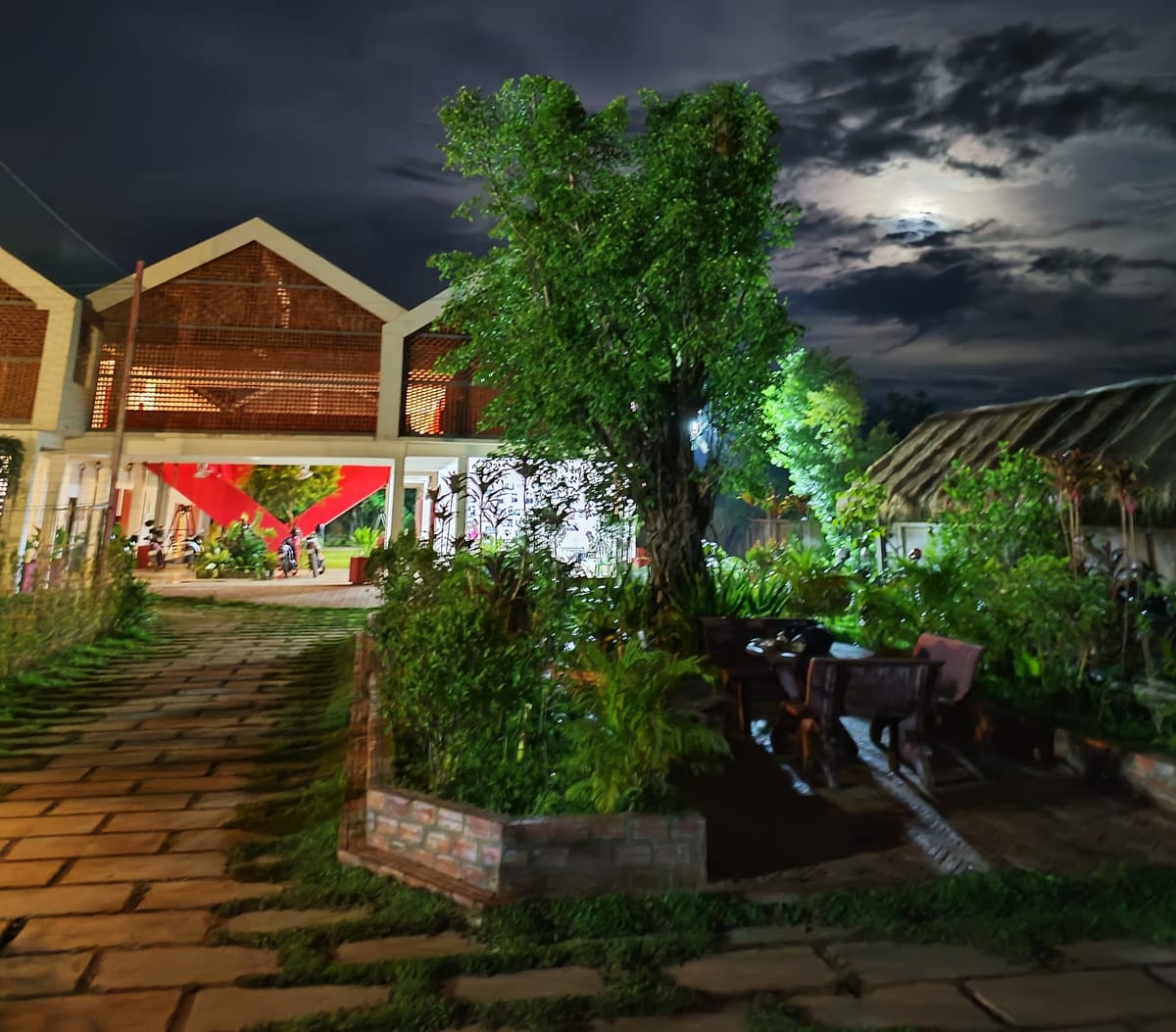
Our old routine slowly started taking shape again. Comforting after weeks of chaos. Mornings became slow and quiet: coffee first, always, followed by journaling. I had to write things down, otherwise the days blurred together. There was simply too much happening at once, and sometimes I genuinely struggled to remember what I had done the day before.
Once the coffee kicked in, we would send a quick update to our bosses over WhatsApp and then head to the gym. It felt good to move again after the Everest trek and all the travel that followed. But one morning, when we got back sweaty and ready for a shower, we discovered there was no running water. Apparently, people were working on the water system, and somehow we never got the memo.
At first, it was annoying. Standing there in gym clothes, sticky and tired. But then again, that’s life in Cambodia. Some days things just… stop working.
Later that day, we called our bosses during lunch. For them, it was dinner time. So there we were, us eating noodles in the afternoon heat, them having dinner in Australia, laughing about the strange overlap. A little food party across time zones. Our bosses love hearing the updates, especially the dramatic parts. We discussed new ideas for sharing the organisation's impact, including personal stories from alumni. Faces and voices behind the numbers.
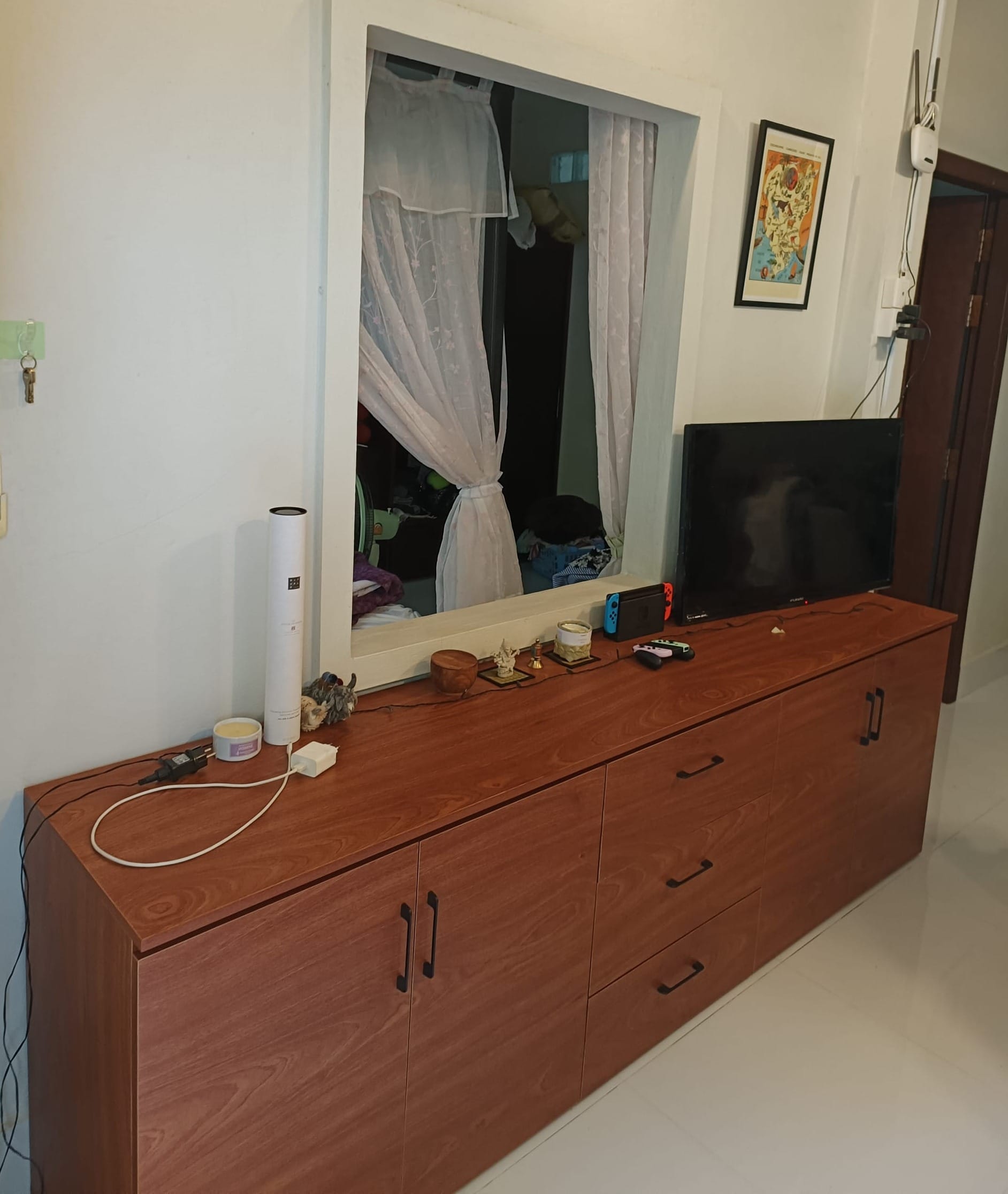
At the same time, we were trying to make our little house feel like an actual home. When we moved in, it was almost completely empty. Just echoing rooms and bare walls. One afternoon, we found a carpenter in the neighborhood. We showed him the space, tried to explain what kind of closet we needed, using a mix of gestures, rough sketches, and a few shared words. After some friendly negotiation over the price, he nodded and told us he would deliver it next week.
Amazing how things work like that here. No catalogue, no order form. Just a conversation and a handshake.
At school, I started tackling the computer lab. I had been told many of the computers were broken, which sounded like a big problem. But when I started opening cabinets and checking equipment, I found something surprising: a whole bunch of perfectly working computers, “forgotten” in a big storage closet.
One by one, I cleaned them, reinstalled the systems, and got them running again so the students could use them for their Project-Based Learning research and homework. The lab itself had been left in a chaotic state by previous staff. Cables everywhere, shelves cluttered with old materials, no real structure. I started clearing things out, reorganizing shelves, imagining how the space could work better. Slowly, it began to take shape. It was a big project that would take weeks, but every small improvement felt satisfying.
In the evenings, I still taught the Year 4 students. For weeks, I had been standing beside them, guiding them step by step through the research, helping them learn how to find information rather than just giving them answers. At first, it felt like holding their hands the entire time. But that week, they started up their computers and got to work without asking what to do. They searched, discussed, and wrote things down. Real progress. It felt like a small but important victory.
That same week, we had an important visitor: Pieter, a professor from a Belgian university connected to KDG. He came to see the boarding school and learn more about how we work, exploring possible future partnerships.
Right in the middle of his visit, things got complicated. A lawyer suddenly appeared, demanding attention and paperwork. We had to split up. Kiki stayed behind to deal with the legal situation, while I continued the tour with Pieter.
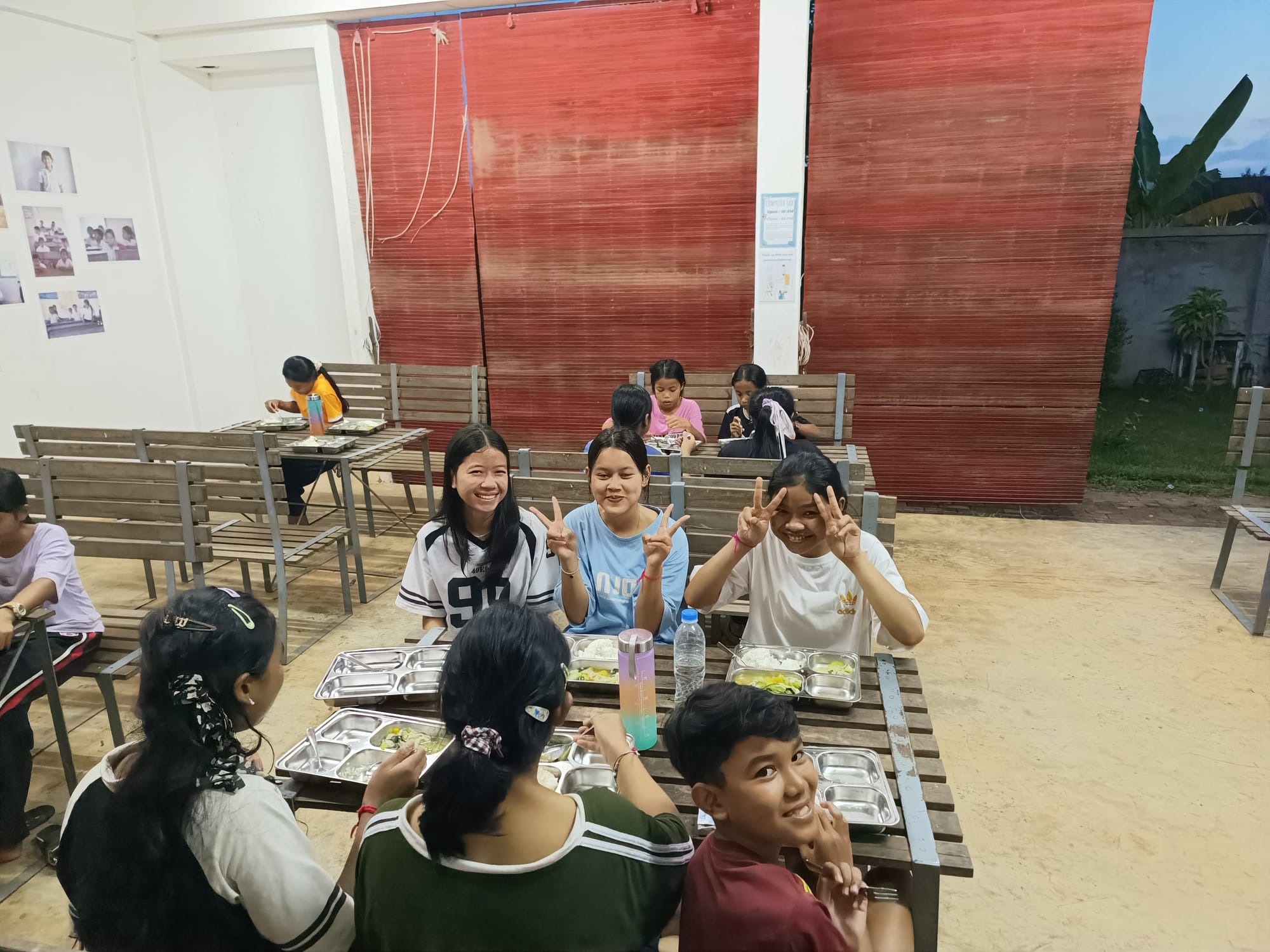
I showed him around the school: the classrooms, the dormitories, the lab, and the garden where students like to sit and study. He asked many questions, took pictures, and seemed genuinely excited by what he saw. Very encouraging.
Eventually, Kiki joined us again after the lawyer finally left. Pieter waved goodbye, promising to stay in touch. We stood there for a moment afterward, both feeling pretty good about how the visit had gone.
But the day wasn’t over.
Kiki filled me in on the lawyer’s message. Suddenly, there were new legal requirements, documents, and structures that needed to be sorted out. We tried calling our boss to clarify things, but communication was patchy, and guidance was limited. It left us with a lot of responsibility and not much direction.
That meant that after the graduation ceremony on Friday evening, which should have been a moment to celebrate, we went straight back to work. All night. And most of the weekend.
We sat surrounded by documents, laptops open, trying to make sense of legal language, searching for the right people who could help us understand what needed to be done. It was frustrating. The lack of clear communication made everything heavier than it needed to be.
But we kept going, doing the best we could with the information we had, determined to figure it out somehow.